Quiet Encounters at the Village Edge

Step onto the porch and breathe in the layered life around hedgerows, orchards, and pasture. Today we explore Wildlife Watching Guides for Village-Edge Cabins, sharing friendly insights for noticing, identifying, and protecting the birds, mammals, and insects that thrive where human paths meet wild corridors.

Patchwork Habitat Basics

A checkerboard of pasture, fallow strips, fruit trees, compost heaps, and sheds acts like a bustling marketplace for songbirds, foxes, and pollinators. Recognizing this layout helps you position a chair, angle binoculars, and anticipate traffic lanes with minimal movement and maximum calm attention.

Hedgerows, Fences, and Flyways

Old hedgerows stitched with bramble guide small mammals along safe cover, while fence posts become patient perches for kestrels and shrikes. Watch spacing and height; repeated use turns these lines into reliable aerial highways and ground trails that reward steady eyes and generous pauses.

Cabin Placement Advantage

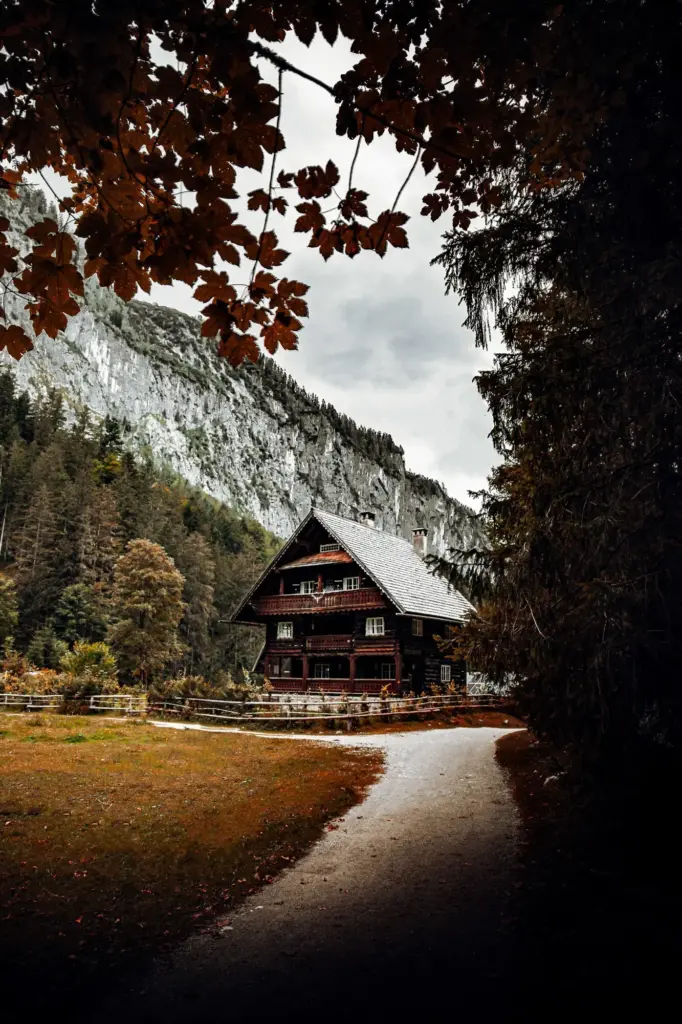
A cabin’s quiet footprint often sits precisely between food and shelter, granting a natural blind with roofs shielding silhouettes and gentle sounds masked by wind. Use existing angles and shadows to observe respectfully, staying put while creatures choose predictable routes across comfortable viewing arcs.

Where Fields Meet Forest: Understanding the Edge

Edges around villages blend crops, gardens, orchards, hedgerows, and small woodlots, concentrating food and cover within short distances. Learn how these overlapping resources funnel creatures predictably past cabins, letting you wait comfortably while wildlife reveals routines, shortcuts, and surprises without disturbance, strain, or long treks away from warmth, safety, and morning coffee.

Daily Rhythms and Seasonal Windows

Time-of-day behavior shapes what you will see from a village-edge porch. Early light quickens insects and songbirds, midday heat concentrates shade seekers, and evening cool releases cautious foragers. Aim your patience at these windows, adjusting seating, snacks, and layers to linger comfortably without breaking the spell.

Dawn Chorus and Breakfast Patrols

Before the kettle boils, robins test the hush, wrens spark hedges, and swallows etch low arcs above dew. Mammals skitter along margins to beat daytime pressure. Step out softly, keep breath slow, and notice how sound draws your gaze before movement confirms it.

Twilight Paths and Silent Wings

As sun edges down, deer map quiet paths between orchard and thicket, while owls claim air with confident, soundless sweeps. Let your eyes rest where light pools faintly. Soft silhouettes reveal intent, and repeated circuits teach tomorrow’s timing when you welcome dusk faithfully again.

Quiet Skills and Respectful Presence

Presence matters more than pursuit. Your shape, scent, and rhythm can either reassure or alarm. With slow hands, low profiles, and thoughtful placement, you create trust over days, turning brief glimpses into longer visits that honor needs, safety, and flourishing families sheltering near your cabin.

Sound, Scent, and Silhouette

Rustling cuffs, clinking mugs, and quick phone checks broadcast carelessness. Choose wool over nylon, warm drinks with lids, and stillness that dissolves edges. Mind wind direction; scent trails announce you loudly. Lower your profile against posts, and let your breathing guide patient, kind observation.

Safe Distances and Gentle Boundaries

Each species holds a personal bubble shaped by size, young, and recent stress. If heads lift, ears pin, or tails flick fast, ease back and soften gaze. Use optics, not footsteps, to close distance, celebrating trust that grows by never testing it.

Leave No Trace at the Doorstep

The best encounters leave no sign of your delight. Keep paths narrow, pick up threads and snack wrappers, and resist baiting. Natural routines teach more than staged photos. Protect nests and dens by choosing restraint, and you will be welcomed again tomorrow.
From the Porch: Tools and Techniques

Simple tools amplify curiosity without turning the yard into a film set. Binoculars, a small notebook, and a gentle headlamp are plenty. Use cameras thoughtfully, follow red-light settings, and rely on sketching and listening when lenses might steal presence from respectful stillness.
Light binoculars with wide fields forgive wobbles from porch railings. A weatherproof notebook gathers impressions, dates, and sketches that memory blurs. Add a field-guide app for quick clues, then put the phone away, returning attention to whispers, wingbeats, and the landscape’s quietly unfolding cues.
Stabilize on a bean bag, mute beeps, and disable autofocus lamps. Choose slower, quieter shutters and longer lenses used from fixed positions. Prioritize behavior over close-ups, letting respectful distance capture truer stories than intrusive frames that risk altering feeding, parenting, or cautious courtship.

Reading Signs: Tracks, Trails, and Clues
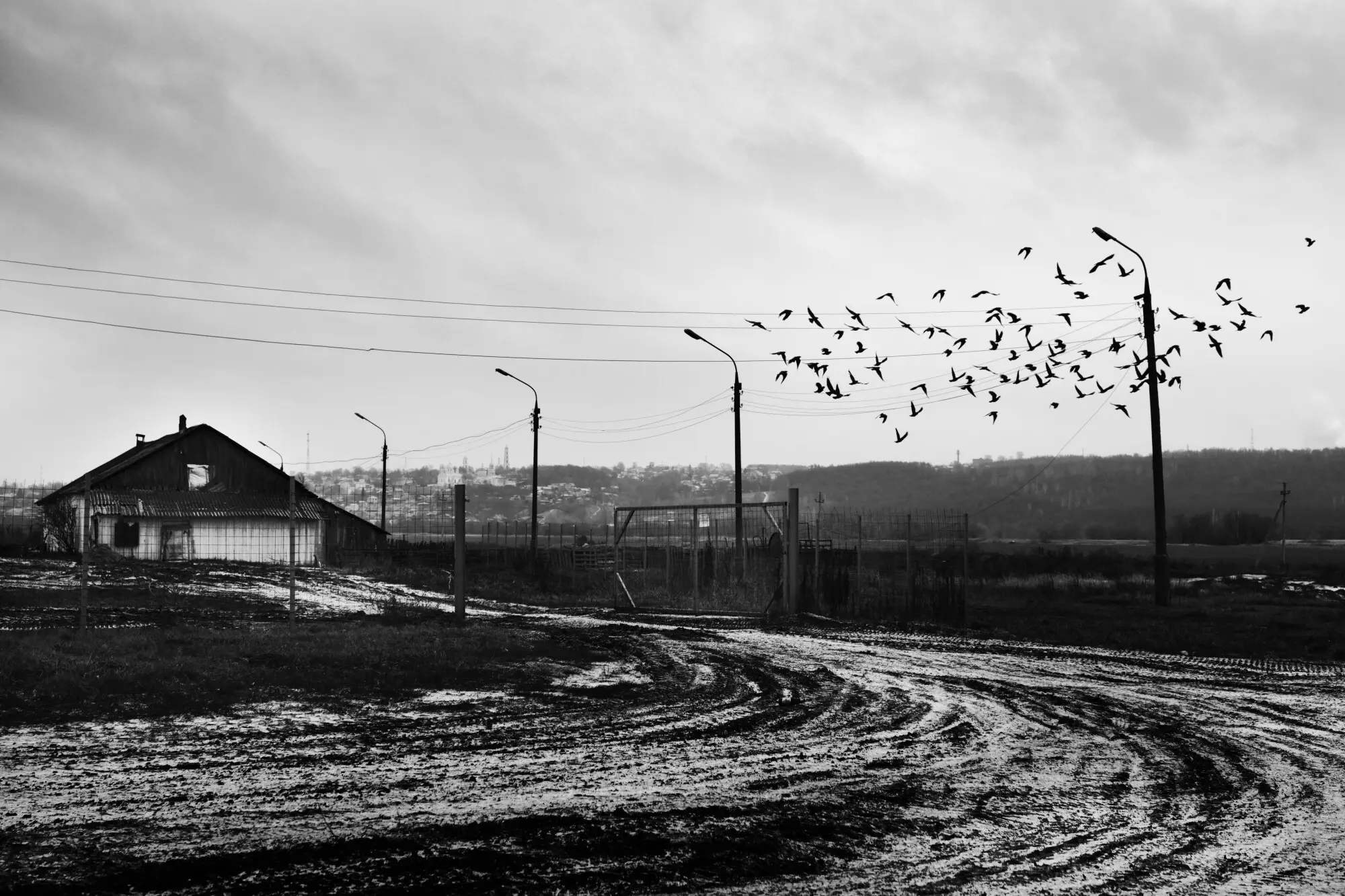
Even when animals stay invisible, they autograph mornings with prints, nibble marks, feathers, and subtle bends of grass. Training your eye for these quiet signatures enriches slower days, sustaining wonder between sightings and guiding future sits with informed guesses and delightful hunches.

Stories, Safety, and Community Connections

A Night When the Owl Answered Back

We once mimicked a soft contact call from the porch, then fell silent. Minutes later, a tawny owl drifted close, head tilting, curious but unafraid. We ended the exchange quickly, grateful, learning that brevity and humility protect magic far better than proof.

Deer in the Orchard Before Breakfast

A cold spring morning found twin fawns threading ladders of light between apple trunks while their mother watched wind. We stayed seated, eyes lowered, cups warm, letting them choose the path. They grazed, glanced, and vanished, leaving gratitude fuller than any photograph.

Share, Subscribe, and Keep the Circle Kind

Tell us what you notice at your cabin edge, ask questions, and trade quiet tricks that worked. Subscribe for seasonal checklists, safety updates, and new porch practices. Your respectful stories guide others, strengthening a community that protects homes, paths, and the lives passing through.