

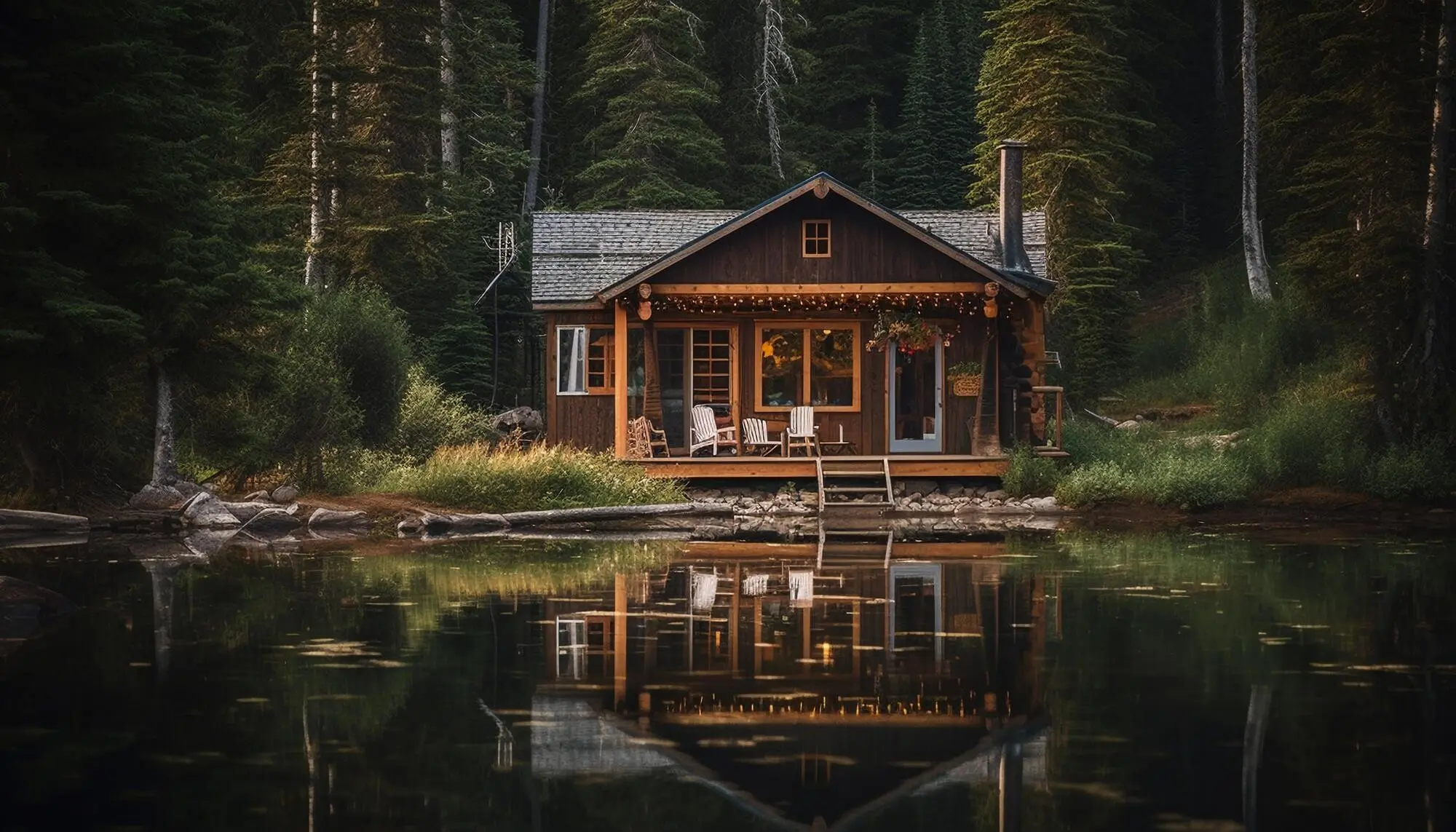
Living Lightly at the Forest’s Edge

Join us as we explore sustainable cabin design for woodland-edge stays, balancing comfort, resilience, and deep respect for living ecosystems. We will consider siting, materials, energy, water, and wildlife-friendly details through practical steps and warm stories gathered from builders and guests. Subscribe, ask questions, and share your own experiments, so every stay not only restores people, but also strengthens habitats, reduces footprints, and celebrates the quiet intelligence of the land.

Reading Light, Wind, and Seasonal Moods

Before staking corners, sit quietly where the tree line loosens, watching how morning light pours through trunks and how afternoon breezes lift leaves. Track winter sun angles, frost hollows, and summer thermals. Map deer paths and listen for owls at dusk. These observations guide humble placement that feels inevitable, generous, and kind.

Protecting Roots, Soils, and Hidden Water

Forest-edge soils teem with mycorrhizae and capillaries that dislike disturbance. Favor minimal excavation, pier systems, and careful trench routing to spare roots and keep hydrology intact. Mark drip lines and keep heavy machinery beyond them. Rain tells quiet truths here, revealing where to avoid compaction, preserve leaf litter, and let water wander safely.

Sun in Winter, Shade in Summer

Lean into passive gains by opening to low winter light while partnering with existing deciduous canopies for summer shade. Modest eaves, exterior blinds, and leafed branches form a beautiful orchestra. In one project, a narrow porch line mirrored a maple crown, yielding cool afternoons, bright mornings, and a serene, bird-filled shoulder season.

Placing a Home Where Forest Meets Field

A cabin at the forest margin can welcome sunlight, shelter from winds, and protect delicate ecotones if placed with patience. Thoughtful orientation preserves wildlife corridors, avoids root damage, and captures seasonal rhythms. Small choices about distance from trunks, understory gaps, and slope alignment shape comfort, safety, and ecological kindness for decades to come.

Footings and Materials That Touch Lightly

Choose foundations and materials that can be installed with minimal noise, removed without scars, and loved for their stories. Helical piles, reclaimed timbers, and natural finishes demonstrate stewardship while performing reliably. When components are repairable and reversible, the cabin becomes a considerate guest that never outstays its welcome with the land.

Quiet Power and Cozy Comfort

Right-sizing energy systems around modest needs preserves silence and dark skies. Thoughtful envelopes, gentle ventilation, and efficient appliances enable tiny solar arrays and small stoves to feel abundant. Comfort becomes a design consequence rather than a mechanical battle, freeing guests to listen to rain, fire crackle, and wind threading the canopy.

Right-Sized Solar and Storage

Begin with an energy diary, trimming loads before adding panels. DC fridges, induction cooktops, and layered lighting reduce draw, allowing a compact photovoltaic array to excel. Lithium iron phosphate batteries thrive in cold with proper enclosure. Simplicity shines when graphs flatten, inverters sleep, and quiet returns to the woodland edge after sunset.

Clean Heat and Thoughtful Backup

An EPA-certified wood stove paired with a small heat pump creates versatile, low-carbon warmth. Use seasoned local hardwoods, protect chimneys from sparks, and add a slab or masonry bench for thermal ballast. One cabin stayed cozy through an ice storm, sipping stored sun by day and radiating gentle stove heat by night.
Ventilation That Listens to the Woods

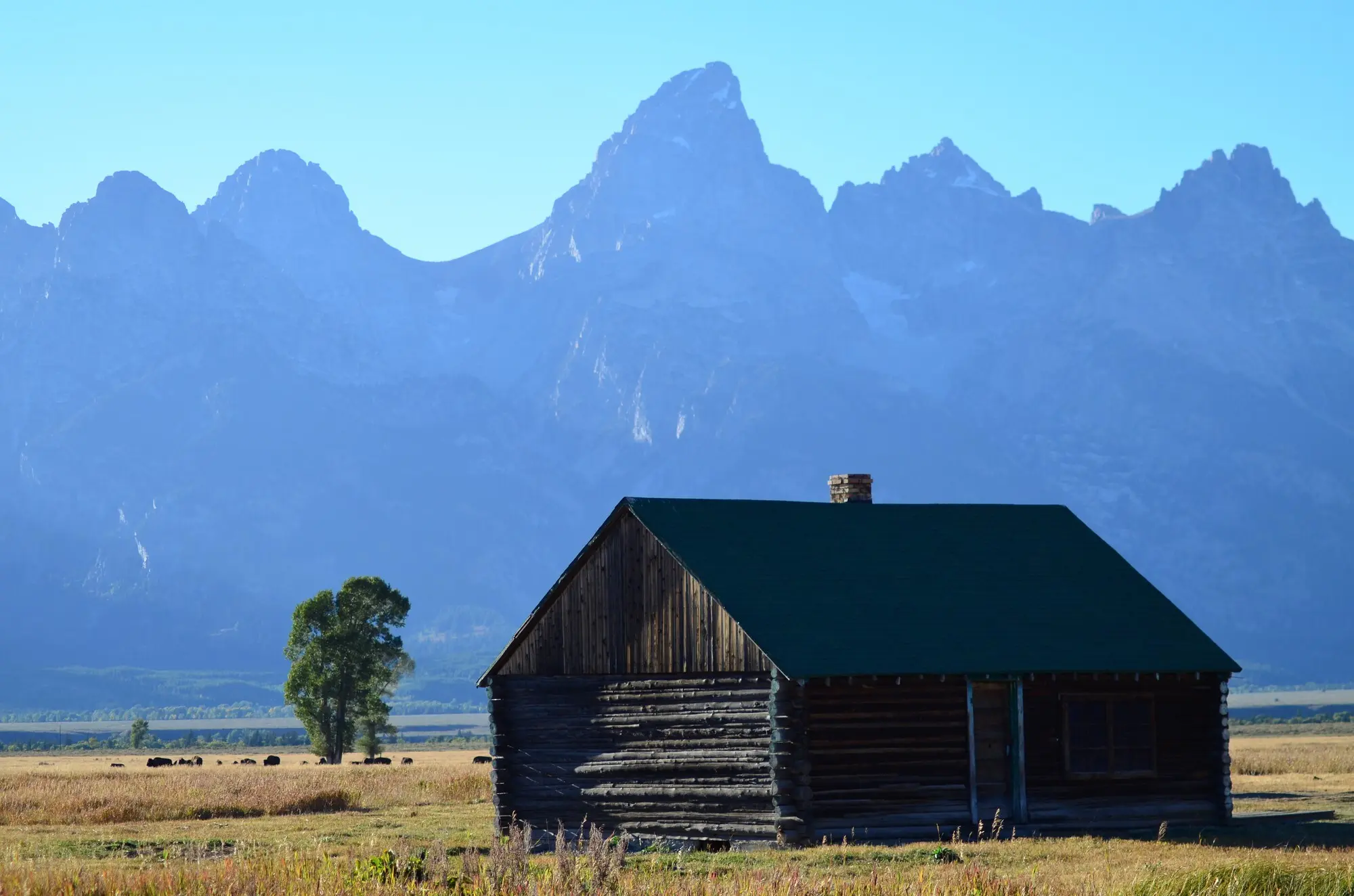
Balanced ventilation with a compact energy recovery ventilator protects indoor air while keeping birdsong audible. Slow, steady exchange avoids drafts and preserves humidity sweet spots. Filters catch pollen when canopies explode with spring. Hidden within cabinets, ducts take the long way around roots and beams, honoring both structure and the surrounding, breathing forest.


Harvesting Rain Without Harming Habitats

Metal roofs, leaf screens, and first-flush diverters keep cisterns sweet, even after pollen-heavy weeks. Tuck tanks into shade and insulate against freeze. Overflow feeds swales that slow and spread water, reviving edges without erosion. One dry August, a modest system still brewed morning coffee and watered saplings without loud pumps or guilt.

Composting Toilets People Actually Love

Urine-diverting designs, clear signage, and handsome cabinets transform apprehension into pride. Carbon cover materials, good vent stacks, and simple maintenance keep odors nonexistent. Families report curiosity turning to delight, realizing waste can become resource with grace. Training cards and a friendly welcome note remove stigma while protecting streams and shrinking infrastructure burdens.

Greywater Gardens that Feed the Edge

Laundry and sink water can nourish willows, ferns, and berry thickets through mulch basins and subsurface dispersal. Filters catch lint, soap choices stay plant-safe, and seasonal valves divert flow when frost looms. A small pathside sign invited guests to notice tiny pollinators thriving where yesterday’s dishwater quietly found purpose and bloom.

Windows that Frame Living Patterns

Place glazing to invite morning gold and shelter evening privacy. Clerestories wash ceilings, while corner windows disappear into trunks and sky. Bird-safe patterns protect migrants. Guests have written that watching snowfall through high panes turned a short stay inward, encouraging journaling, tea, and gratitude while the forest stitched new silence outside.

Finishes You Can Breathe With

Natural oils, casein paints, and limewashes reduce VOCs and age with dignity. They absorb light softly, reveal grain, and encourage repair instead of replacement. A brushed-larch bench finished with hardwax oil smelled faintly of citrus after years, inviting hands and conversation. Post a materials list so guests with sensitivities feel confidently at ease.

Access, Safety, and Sharing the Edge

Welcoming paths, quiet signage, and simple safety rituals protect both people and habitats. Keep lights minimal and warm, store food responsibly, and maintain discreet firebreaks. The forest is neighbor and host here, asking for respect as exchange for awe, renewal, and those unforgettable nights of crickets, stars, and unforced conversation.